
Virtual Dentistry Before You Commit to Care
Virtual dentistry gives you an independent way to review dental plans, X-rays, and costs before agreeing to treatment, with no pressure to proceed now.
A treatment plan for crowns, implants, root canals, or periodontal work can arrive with a price tag in the thousands and a request to schedule right away. Virtual dentistry gives you a practical way to slow the decision down, have your records reviewed remotely, and understand what has actually been recommended before you commit.
That does not mean replacing every dental visit with a screen. Dental care still depends on hands-on exams, diagnostic testing, and local follow-up when treatment is needed. But for patients who have already received a diagnosis, X-rays, photographs, a written treatment plan, or a cost estimate, a remote expert review can answer a different and valuable question: does this recommendation appear justified, complete, and reasonably scoped based on the records available?
What virtual dentistry can do for patients
Virtual dentistry is a broad term. It can describe a video consultation with a dental office, remote monitoring during orthodontic care, online triage for a dental concern, or an independent review of existing dental records. The details matter because these services solve different problems.
A virtual appointment with the same practice that recommended treatment may be convenient for discussing logistics. It may not provide the distance you need if your central concern is whether the recommended procedures are necessary. An independent review is designed for that moment. The reviewing dentist is not selling the crowns, implants, or surgery under discussion, so the review can focus on clinical evidence, alternatives, priorities, and the likely cost implications of each option.
For someone facing extensive work, the value is often not a simple yes-or-no answer. A careful review may clarify whether treatment is urgent or can be monitored, whether every proposed tooth needs the same level of intervention, whether a staged approach is reasonable, or what questions should be taken back to the treating office.
When an online dental review makes sense
Virtual dentistry is especially useful when the recommendation is expensive, complex, or difficult to understand. It can also help when two offices have offered noticeably different plans. Different recommendations do not automatically mean one dentist is wrong. Dentists may weigh risk, long-term predictability, esthetics, timing, and patient preferences differently. Still, significant differences deserve a clear explanation.
Consider a remote second opinion if you have been told you need multiple crowns, several implants, full-mouth reconstruction, root canals, gum surgery, or a large amount of restorative work. It can also be appropriate if the consultation felt rushed, the treatment plan uses unfamiliar terms, or the estimate does not show how costs were calculated.
A review is not only for patients who distrust their dentist. Many patients simply want to make a well-informed financial and health decision. Asking for another professional perspective is a reasonable step before approving irreversible or costly treatment.
What to submit for a useful virtual dentistry review
The quality of any remote assessment depends on the records supplied. A clear set of documents gives the reviewing dentist more than a list of procedure codes. It provides the clinical context behind the recommendation.
Start with the written treatment plan and the itemized estimate, if available. These documents show the proposed procedures, tooth numbers, materials, sequencing, and fees. If the plan includes alternatives, include those as well.
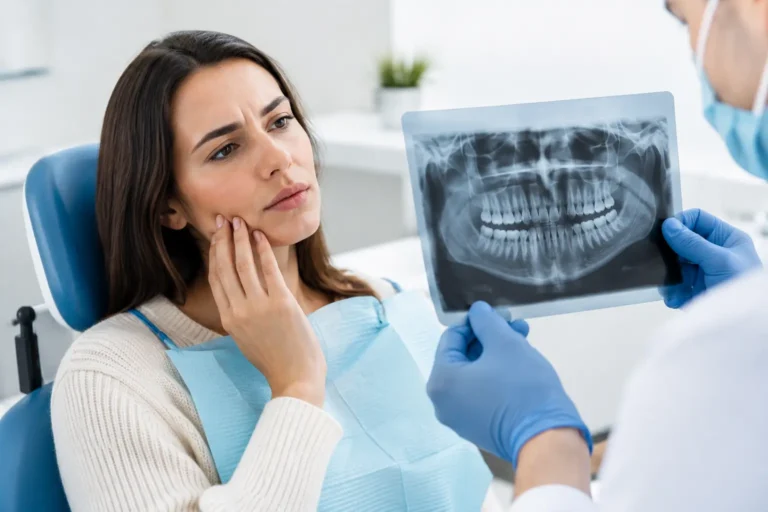
Dental X-rays are often central to the review. Common records include bitewing X-rays, periapical X-rays, a panoramic X-ray, or a CBCT scan when implants, surgery, or complex root issues are involved. If your office can provide original digital files or clear copies, submit those rather than screenshots whenever possible.
Photographs can help, particularly for visible fractures, missing teeth, esthetic concerns, swelling, gum recession, or worn teeth. Take them in good light, keep the camera steady, and include close views as well as images that show the surrounding teeth. Photos cannot show everything beneath the surface, but they can provide useful supporting evidence.
Also include relevant notes from the dental office, prior treatment records, and a brief description of your symptoms and goals. Mention whether you have pain, sensitivity, chewing difficulty, bleeding gums, a history of trauma, or a deadline such as travel or insurance changes. This information helps place the records in context without replacing an in-person examination.
What an independent review should answer
A useful written opinion should be understandable even if you are not familiar with dental terminology. It should explain what the records appear to show, where the evidence is clear, and where limitations remain because a remote reviewer cannot physically examine you.
The most helpful reviews address the issues patients are usually trying to sort out: whether the proposed treatment appears necessary, whether the scope seems proportionate to the findings, what reasonable alternatives may exist, and which items should be addressed first. They can also identify questions worth bringing to your treating dentist, such as why a crown is being recommended instead of a filling, why an extraction is preferred over root canal treatment, or whether a tooth can be monitored before treatment begins.
Cost deserves attention too. A reviewer cannot set a local practice’s fees or promise what insurance will pay. However, they can help you understand whether the plan includes elective upgrades, whether treatment could potentially be phased, and whether you should request a more detailed estimate before agreeing. That clarity can prevent patients from approving a broad plan without understanding which parts are urgent and which are preference-driven.
Second Opinion in Dentistry provides this type of independent review through licensed dental professionals, with secure record uploads and written opinions delivered within 48 business hours. The service does not perform or sell treatment, which helps keep the review focused on your interests rather than a procedure sale.
What virtual dentistry cannot replace
Remote review has real limits, and a credible service should state them plainly. A dentist reviewing your records cannot test tooth mobility, probe gum pockets, assess bite forces directly, palpate swelling, or perform vitality testing through a screen. If the records are incomplete or too old, the reviewer may recommend updated X-rays or an in-person exam before reaching a firm conclusion.
Virtual dentistry is also not the right route for emergencies. Seek urgent local care for facial swelling, uncontrolled bleeding, fever associated with a dental infection, trouble swallowing or breathing, severe trauma, or pain that is escalating quickly. These situations require prompt hands-on evaluation.
A remote opinion should support your next decision, not create false certainty. In some cases, the most responsible answer is that the available information is insufficient to confirm the recommendation. That is still useful. It tells you what records, tests, or in-person examination steps are needed before you spend money or begin irreversible work.
How to use the opinion at your next appointment
Bring the written review to your treating dentist and use it as a conversation tool. You do not need to frame it as a confrontation. Start with direct questions: Can you show me the findings that support this procedure? What happens if we monitor this tooth for six months? Are there more conservative options? Which treatments are urgent, and which can be phased?
A dentist who has a sound clinical rationale should be able to explain it. You may ultimately decide to proceed with the original plan, choose a modified version, or seek an in-person specialist consultation. The purpose is not to collect opinions until you hear the easiest answer. It is to understand the evidence and make a choice that fits your health needs, timeline, and budget.
A calmer way to make a major dental decision
When dental treatment is costly, permanent, or hard to reverse, taking a short pause is not delaying care without reason. It is responsible decision-making. Virtual dentistry can give you a clearer view of the records you already have, without another waiting room visit or pressure to accept treatment on the spot.
Before you sign off on a major plan, ask for your records, keep the estimate, and give yourself room to understand both the recommendation and your options. Clear answers make it easier to move forward with confidence – whether that means treatment now, a phased plan, or a closer look first.