
Best Ways to Avoid Repeat Root Canals for Good
Learn the best ways to avoid repeat root canals, protect a treated tooth, recognize early warning signs, and get clear answers before more treatment now.
A root canal should remove infection, relieve pain, and give you a real chance to keep your natural tooth. When symptoms return months or years later, it can feel frustrating, expensive, and confusing. The best ways to avoid repeat root canals begin with understanding why a treated tooth can fail, then taking practical steps to protect it before a small concern becomes another major procedure.
A repeat root canal, also called retreatment, is not always the result of poor care. Some teeth have unusually narrow or curved canals, hidden anatomy, old restorations, cracks, or new decay that allows bacteria back inside. Still, many causes are preventable or can be addressed early. The goal is not to promise that retreatment will never be needed. It is to reduce avoidable risk and make informed decisions when a dentist recommends more work.
Why a Root Canal May Need to Be Repeated
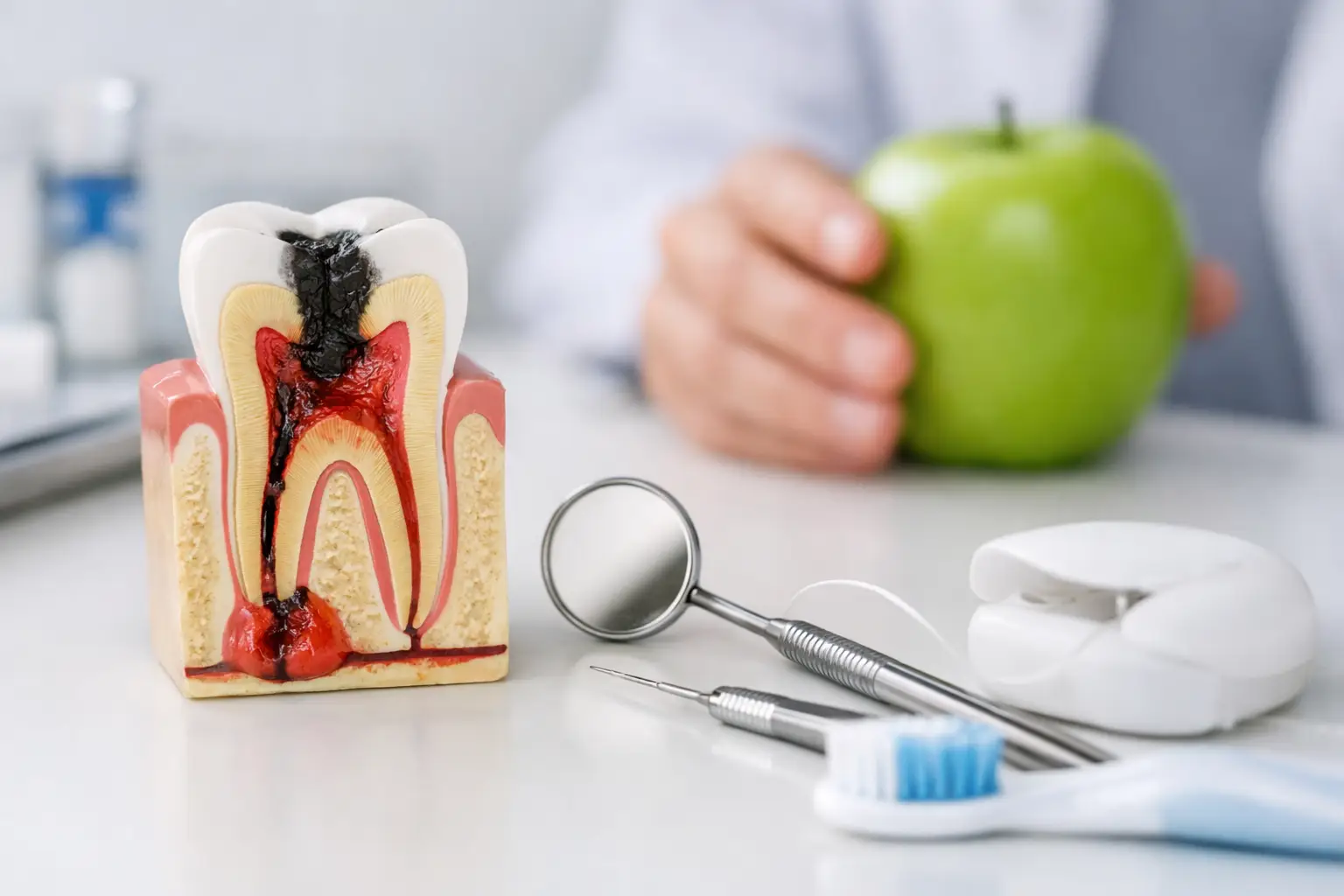
A root canal treats infection inside the tooth. After the infected or damaged pulp is removed, the dentist cleans and seals the canals. The tooth then needs a durable restoration, often a crown, to protect it from fracture and bacterial leakage.
Problems can develop when bacteria remain in an untreated canal, when the seal breaks down, or when a filling or crown no longer fits tightly. New decay at the edge of a restoration can create another route for bacteria. A crack can do the same. In some cases, healing simply does not occur as expected despite appropriate treatment.
That distinction matters. A shadow on an X-ray, ongoing discomfort, or a recommendation for retreatment does not automatically mean the original root canal was done incorrectly. It does mean you deserve a clear explanation of what is visible, what is suspected, and which treatment options are realistic for your tooth.
Best Ways to Avoid Repeat Root Canals
Get the final restoration completed on time
For many patients, the most important protection comes after the root canal appointment. A back tooth that has had a root canal is often more brittle because it has lost substantial tooth structure. Leaving it with a temporary filling or delaying the recommended crown can allow the tooth to crack or let bacteria enter around the restoration.
The right restoration depends on the tooth, how much healthy structure remains, your bite, and whether the tooth is in the front or back of the mouth. Not every tooth needs the same solution. Ask your dentist what they are trying to prevent with the proposed restoration and how long it is reasonable to wait. If cost is a concern, discuss a safe timeline rather than simply postponing care without a plan.
Keep decay away from the restoration edges
A root canal-treated tooth cannot develop pulp pain in the same way as an untreated tooth, but it can still get decay. Decay around a crown or filling can progress quietly until bacteria reach the root canal filling or the tooth becomes too damaged to restore.
Brush twice daily with fluoride toothpaste and clean between your teeth every day. Floss, interdental brushes, or a water flosser can help, depending on the spaces between your teeth and the type of dental work you have. The tool matters less than using it consistently and correctly.
Routine exams and X-rays also matter because they can detect decay under or beside a restoration before you notice symptoms. If you tend to get cavities frequently, ask about fluoride treatments, prescription-strength toothpaste, dry-mouth management, or changes to your diet and snacking habits. These are not extras. They can protect a significant investment in your natural tooth.
Protect the tooth from cracks and heavy bite forces
A treated tooth may be vulnerable to fracture, particularly if you clench or grind your teeth. A crown can help reinforce the remaining tooth, but it cannot prevent every type of crack. Biting ice, hard candy, popcorn kernels, or nonfood objects creates avoidable risk.
If you wake with jaw soreness, notice worn teeth, or have been told you grind at night, a professionally made night guard may be worth discussing. A guard is not automatically necessary for everyone. It is most useful when there is evidence of grinding, heavy bite forces, or repeated damage to teeth and restorations.
Do not ignore a sharp pain when biting or a sensation that the tooth is “catching.” Those symptoms can point to a crack, a loose restoration, or a bite issue. Earlier assessment may preserve treatment options that become more limited after a fracture extends below the gumline.
Do not wait out swelling, drainage, or recurring pressure
Some people expect a root canal-treated tooth to hurt if there is a problem. Sometimes it does not. Recurrent infection may show up as a pimple-like bump on the gum, tenderness when chewing, swelling, a bad taste, or pressure that comes and goes. It may also be found only on an X-ray.
Contact a dentist promptly if you notice these changes. Facial swelling, fever, difficulty swallowing, or trouble breathing require urgent medical or dental attention. Antibiotics may temporarily reduce symptoms in certain situations, but they usually do not fix the source of infection inside a tooth. The tooth and surrounding tissues still need a proper evaluation.
Keep follow-up visits, especially after complex treatment
Healing around the root tip can take time. Your dentist may recommend a follow-up X-ray to confirm that the area is improving. That is particularly valuable if the infection was large, the tooth had prior treatment, or you had symptoms after the procedure.
A follow-up visit is not a sales appointment. It is a way to check whether the treatment is healing as expected and whether the restoration remains sealed. Save copies of your pre-treatment X-rays, post-treatment X-rays, treatment notes, and crown information when possible. These records can be very helpful if you move, see a specialist, or need another opinion later.
When a Second Opinion Can Prevent the Wrong Next Step
Not every recommendation for repeat treatment has only one answer. Depending on the tooth, options may include monitoring, replacing a leaking crown or filling, root canal retreatment, endodontic surgery, extraction and replacement, or no treatment if the finding is stable and symptom-free. The appropriate choice depends on the tooth’s structure, periodontal health, location, symptoms, X-rays, and your long-term goals.
Before agreeing to an expensive or irreversible plan, ask for the evidence. You should understand whether the concern is persistent infection, new decay, a vertical root fracture, a missed canal, a failing crown, or something else. Ask whether the tooth is restorable, what could happen if you wait, and what each option is expected to cost over time.
This is where an independent review can be useful. Second Opinion in Dentistry reviews your X-rays, photos, diagnosis, treatment plan, and estimates without performing or selling treatment. A licensed dental professional can help you understand whether the recommendation is supported by the records, which questions still need answers, and whether alternatives should be discussed. It is clear, private guidance with no upselling and no pressure.
Questions to Ask Before Retreatment
If a dentist recommends another root canal, focus on clarity rather than rushing into a decision. Ask what specifically has changed since the original treatment and whether the issue can be seen clearly on the X-ray. Find out whether a specialist, called an endodontist, has evaluated the tooth or should do so.
You can also ask whether a cone beam CT scan would materially change the diagnosis. This 3D imaging can reveal some fractures, hidden canals, and bone changes that standard X-rays may miss, but it is not required for every case. The expected value should justify the added radiation and cost.
Finally, ask for the prognosis in plain terms. A tooth may be technically treatable but have a limited long-term outlook because of a deep crack, severe bone loss, or too little healthy tooth structure. Knowing that difference can help you avoid paying for a procedure that does not fit your goals.
A Treated Tooth Still Needs Attention
The most protective habit is simple: treat a root canal as one part of a long-term plan, not the finish line. Complete the restoration, maintain it carefully, keep regular dental visits, and act early when something feels different. If a repeat root canal is recommended, a calm review of the records can help you move forward with confidence rather than pressure.