
Do I Need Gum Surgery? Signs and Next Steps
Do I need gum surgery? Review symptoms, X-rays, and alternatives before accepting periodontal treatment, surgery, and its potential costs with clarity.
A recommendation for gum surgery can feel abrupt, especially when it arrives alongside a large treatment estimate. If you are asking, “do I need gum surgery,” the most useful answer is not a quick yes or no. It depends on the diagnosis, the amount and pattern of bone loss, your gum measurements, your symptoms, and whether less invasive care has already been given a fair chance.
You deserve to understand what the procedure is intended to fix before you commit. Gum surgery can be highly valuable when it protects teeth that would otherwise be at risk. It can also be recommended in situations where careful nonsurgical treatment, home care, and monitoring may be reasonable first steps. Clear records and an independent clinical review can help separate urgency from uncertainty.
What gum surgery is meant to treat
“Gum surgery” is a broad term. Your dentist or periodontist may be discussing periodontal flap surgery, bone grafting, gum grafting, crown lengthening, a gingivectomy, or a procedure around a dental implant. These treatments address different problems, so the name of the recommended procedure matters.
Periodontal flap surgery is often used for deeper gum pockets caused by periodontitis. During the procedure, the gum tissue is gently moved back so the clinician can remove hardened buildup below the gumline and address damaged areas of bone or tissue. In some cases, regenerative materials are placed to support healing.
Gum grafting is different. It is usually recommended when gum recession has exposed tooth roots, created sensitivity, affected appearance, or left a tooth more vulnerable to further recession. Crown lengthening may be proposed when there is not enough healthy tooth structure above the gumline to support a restoration, or when excess gum tissue affects access and appearance.
The key question is not whether surgery sounds serious. It is whether the specific procedure has a clear clinical purpose, realistic expected benefit, and evidence to support it.
Do I need gum surgery if I have gum disease?
Not everyone with gum disease needs surgery. Gingivitis, the early and reversible stage of gum inflammation, often improves with professional cleaning and consistent brushing and flossing. Periodontitis is more complex because it involves loss of the bone and supporting tissues around teeth. Even then, surgery is not always the first step.
For many patients, the initial approach is scaling and root planing, sometimes called deep cleaning. This treatment removes plaque and calculus from below the gumline. Your dental team should then reassess healing, often several weeks later. If the gums respond well and pocket depths reduce to manageable levels, continued maintenance may be enough.
Surgery may be more likely when deeper pockets remain after nonsurgical treatment, particularly in areas that are difficult to clean and monitor. It may also be considered when X-rays show certain patterns of bone loss, when there are complex root shapes, or when the disease is progressing despite appropriate care.
That does not mean every pocket reading automatically leads to surgery. A pocket depth is one piece of the picture. Bleeding on probing, plaque control, smoking or vaping, diabetes management, tooth mobility, bone levels, and the location of the problem all affect the recommendation.
Signs that make a surgical recommendation more understandable
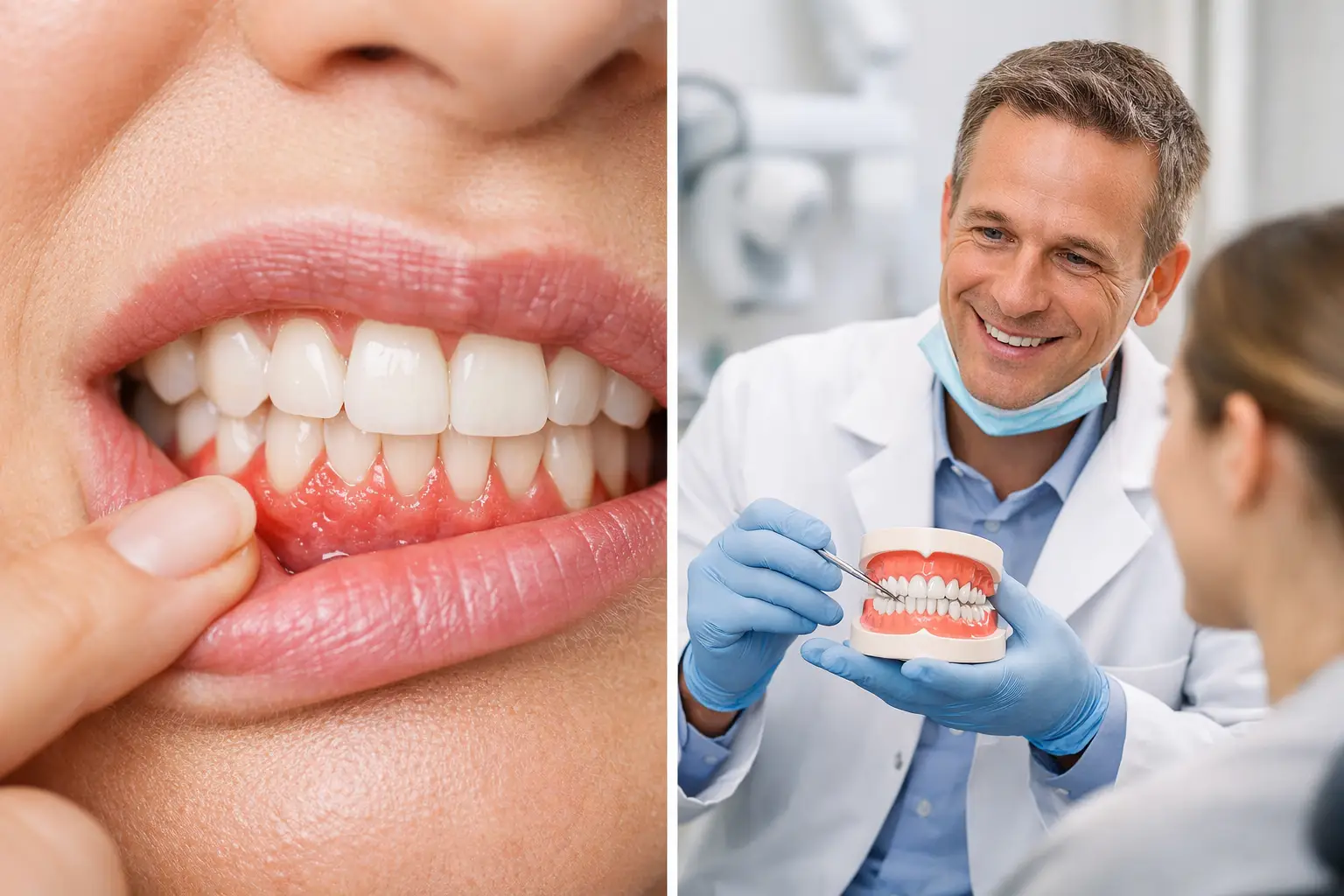
A clinician should be able to explain the reason for surgery in plain language and tie it to your records. You may have a stronger reason to consider periodontal surgery if you have ongoing deep pockets after deep cleaning, repeated gum infections or abscesses, progressive bone loss, or teeth that are becoming loose due to periodontal damage.
Surgery can also be appropriate when recession is worsening and exposing roots, particularly if you have significant sensitivity, root decay, or a thin gum tissue type that leaves the area vulnerable. Around implants, bleeding, pus, bone loss, or persistent inflammation may require specialized assessment and, in some cases, surgical treatment.
Still, symptoms alone cannot tell the full story. Gum disease can progress quietly, and some people with substantial bone loss have little pain. On the other hand, bleeding or tenderness does not automatically mean surgery is necessary. It may reflect inflammation that can improve with more conservative care.
What should be in the evidence before you agree
A sound recommendation is supported by a periodontal chart, current X-rays, and a documented diagnosis. The periodontal chart records pocket depths around each tooth, bleeding, recession, and sometimes mobility or furcation involvement. X-rays help show bone levels, calculus deposits, cavities, and problems around roots or implants.
Neither record tells the entire story by itself. X-rays do not show gum pocket depth or active bleeding, while probing measurements do not fully reveal the bone pattern. A proper decision uses both, along with an examination and your health history.
Before accepting treatment, ask for a copy of the records that support the plan. The most helpful items are usually:
- Current full-mouth X-rays or clear images of the relevant area
- Your periodontal charting and diagnosis
- The written treatment plan, including the exact procedure and teeth involved
- The cost estimate and any notes about alternatives or expected outcomes
You can also ask whether you have already completed deep cleaning, when your gums were reassessed, and what measurements remained concerning. If surgery is being recommended as the first step, ask why conservative treatment is not appropriate in your specific case. There may be a good reason, but you should not have to guess what it is.
When waiting may be reasonable, and when it may not
A short pause to gather records or seek another opinion is often reasonable when the recommendation is elective, costly, unclear, or based on incomplete information. This is especially true if you have received different recommendations from different offices or were told to schedule immediately without a clear explanation of the diagnosis.
Waiting is not the same as ignoring the problem. If you have facial swelling, fever, pus, severe pain, uncontrolled bleeding, or trouble swallowing or breathing, contact a dental professional or seek urgent medical care. These symptoms can indicate an infection or complication that needs prompt attention.
For non-emergency periodontal concerns, the trade-off is usually between gaining clarity now and allowing a potentially active problem more time to progress. The right timeline depends on the severity of disease. Ask the treating clinician directly: What is the risk if I wait two weeks? What is the risk if I wait two months? A credible answer should be specific to your condition, not based on pressure.
Alternatives worth discussing
The alternative to surgery is not always “do nothing.” Depending on your diagnosis, options may include scaling and root planing, improved home-care techniques, periodontal maintenance visits, treatment of contributing factors such as smoking or uncontrolled diabetes, or monitoring a stable area with regular measurements.
For recession, alternatives can include desensitizing treatment, protective restorations in selected cases, adjusting brushing technique, or monitoring if the recession is stable and not causing functional problems. These options may not produce the same cosmetic or long-term result as grafting, but they can be reasonable for some patients.
Every choice has trade-offs. Nonsurgical care may be less invasive and less expensive, yet may not adequately treat deep or complex defects. Surgery may offer better access and a stronger long-term prognosis in the right case, but it involves healing time, cost, and no guarantee that every tooth can be saved. The best plan is the one that matches the actual condition and your priorities.
How to get a clear second opinion remotely
A second opinion is most useful when the reviewer can see the same information used to recommend treatment. Uploading X-rays, periodontal charting, intraoral photographs, your treatment plan, and the estimate gives a licensed dental professional a basis to evaluate the necessity, scope, alternatives, and questions you should raise with your local provider.
Second Opinion in Dentistry provides independent written reviews without performing or selling the procedures being evaluated. That separation matters when you are deciding whether a proposed surgery is necessary, whether the recommended scope fits the evidence, or whether a less invasive approach should be discussed first.
A remote review cannot replace emergency care or hands-on examination. It can, however, help you understand whether the records support the recommendation before you authorize a significant treatment expense.
Questions to ask before scheduling
Ask your dentist or periodontist to identify which teeth need treatment and why. Request the pocket depths, bleeding findings, and X-ray changes that support the plan. Ask what nonsurgical treatment has been attempted, what result it achieved, and what could happen if you choose monitoring instead.
It is also reasonable to ask about the expected outcome, recovery time, potential complications, and whether all proposed procedures need to happen at once. If the estimate includes multiple treatments, ask for each item to be explained separately. A bundled plan may be appropriate, but you should understand which parts are urgent, which are preventive, and which are optional.
You do not need to decide based on fear, a sales deadline, or unfamiliar terminology. A well-supported recommendation will still make sense when you slow down, review the records, and ask for a clear explanation. The goal is not to avoid gum surgery at all costs. It is to move forward only when the evidence, alternatives, and expected benefit are clear enough for you to feel confident in the decision.