
Specialist Review Versus Office Diagnosis
Compare a specialist review versus office diagnosis before costly dental treatment. Learn what each can show, when to seek answers, and how to decide now.
A treatment plan can feel final when it is handed to you in a dental office, especially when it includes crowns, implants, root canals, extractions, or several visits. But a specialist review versus office diagnosis is not always an either-or choice. Your treating dentist has information that matters, including an in-person exam. An independent reviewer can help you understand whether the records support the proposed treatment, what alternatives may exist, and which questions deserve a clearer answer before you commit.
The goal is not to second-guess every dentist or delay care that is truly urgent. It is to make a high-stakes decision with clear, honest information and no pressure to purchase treatment from the person reviewing it.
What an office diagnosis can tell you
An office diagnosis begins with something a remote reviewer cannot fully duplicate: a clinical examination. Your dentist can look inside your mouth, check your bite, test a tooth’s response, feel for swelling, assess gum tissues, and observe signs such as mobility, drainage, cracks, or tenderness. They can also take new X-rays or scans when the existing images do not answer the question.
That direct access is especially valuable when symptoms are changing quickly. Severe pain, facial swelling, fever, uncontrolled bleeding, a dental injury, or trouble swallowing or breathing require prompt in-person attention. A remote review is not emergency care and should never replace it.
An office diagnosis also reflects the practical realities of treatment. The dentist may be considering your anatomy, the condition of nearby teeth, the materials they use, and what can be completed safely in their office. When the recommendation is straightforward – for example, treating a clearly painful tooth with obvious decay or infection – an immediate plan may be entirely reasonable.
Still, an in-office recommendation is also a treatment recommendation from a provider who may perform and bill for that treatment. That does not mean the diagnosis is wrong. It does mean that, for costly or irreversible care, some patients prefer an independent perspective before saying yes.
Specialist review versus office diagnosis: the key difference
The central difference is purpose. A treating office diagnoses and provides care. An independent dental review evaluates the records and recommendation without selling the procedure under review.
A licensed dental professional reviewing your X-rays, photographs, chart notes, treatment plan, and cost estimate can examine whether the documented findings appear consistent with the proposed scope of care. They can identify missing information, explain terminology, and point out alternatives that may be worth discussing with your treating dentist.
This is particularly helpful when a plan is broad or expensive. If you were told that multiple teeth need crowns, that a tooth cannot be saved, or that implants are the only option, the question is often not simply, “Is my dentist right?” A better question may be: “What does the evidence in my records show, and are there reasonable paths I have not been offered or understood?”
A remote review has limits. It cannot test a tooth, palpate tissues, diagnose a new emergency from a screen, or guarantee an outcome. Good reviewers state those limits plainly. Their value is in a careful record-based analysis that helps you decide whether to proceed, ask for clarification, seek an in-person specialist, or request more diagnostic information.
When an independent review makes sense
A second opinion is most useful when the decision carries a meaningful financial, physical, or long-term consequence. You may benefit from one if you have received a treatment estimate that feels unexpectedly high, a recommendation for extraction or implants, a full-mouth restoration plan, or conflicting advice from different offices.
It can also help when the explanation felt rushed. Many patients leave an appointment with a stack of paperwork but no real understanding of why each procedure is necessary, which treatments are urgent, or what happens if they wait. The uncertainty is stressful, particularly when the estimate reaches into the thousands.
There are situations where timing matters. If a clinician identifies active infection, significant swelling, or another immediate concern, do not postpone necessary care solely to obtain a review. You can still ask for copies of your records and seek clarification, but safety comes first. For non-emergency treatment plans, taking a short pause to understand the evidence is often a sensible form of financial stewardship.
What records make a review more useful
The quality of any record-based opinion depends on the materials available. A treatment plan alone can show what was recommended and what it may cost, but it usually cannot explain why the recommendation was made. X-rays and clinical photographs add important context.
For the clearest review, provide the treatment plan and written estimate, available X-rays, intraoral or smile photographs if requested, and relevant clinical notes or periodontal charting. Include a short description of your symptoms, your dental history, and the questions you want answered. If a tooth hurts only when chewing, if you recently had trauma, or if one dentist said a tooth is cracked, those details matter.
Do not assume you need to interpret the records before submitting them. Your role is to provide what you have. The reviewer’s role is to explain what those materials do and do not support in plain language.
Questions a good review should answer
A useful opinion should be more than a quick approval or rejection of a treatment plan. It should help you understand the reasoning behind the recommendation and what to do next.
For a complex plan, ask whether the available records support the diagnosis, whether every proposed procedure appears necessary now, and whether more conservative options may be reasonable. Ask what evidence is missing if the answer cannot be determined from the documents. You may also want to know whether the sequence of treatment makes sense and whether the estimate is consistent with the stated scope of work.
The answer may still be that the original plan is appropriate. That is valuable information. Independent confirmation can replace uncertainty with confidence, allowing you to move forward without wondering whether you agreed too quickly.
How to use the review without creating conflict
A second opinion does not have to become a confrontation with your dentist. You can bring the findings back as questions: “Can you help me understand why extraction is preferred over saving this tooth?” or “Is there a reason a crown is recommended now instead of monitoring the tooth?”
A professional office should be able to explain its clinical reasoning, discuss reasonable alternatives, and clarify the risks of waiting. Sometimes the original dentist has observed something during the examination that does not appear in the records. Sometimes the reviewer identifies an issue that calls for more imaging or a referral to an endodontist, periodontist, oral surgeon, or prosthodontist.
The most productive outcome is not proving one professional right and another wrong. It is making sure the final plan reflects sufficient evidence, your health needs, your priorities, and your budget.
A private way to get clarity before treatment
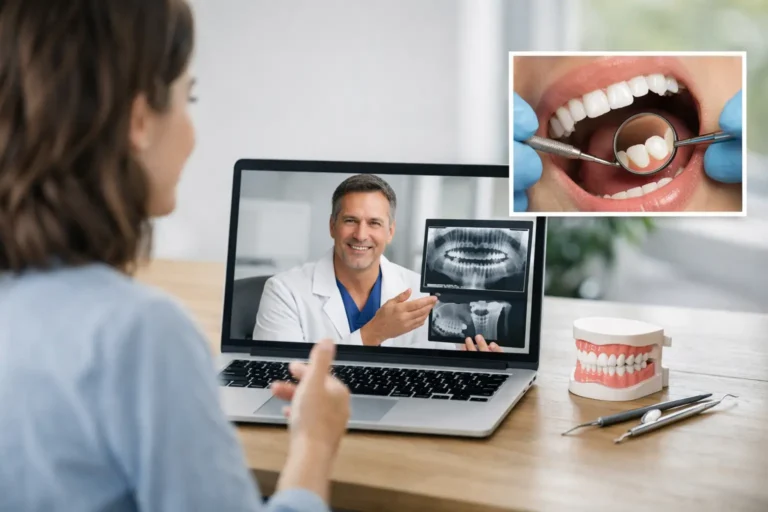
For patients who do not want to schedule another local appointment just to ask questions, an online review can provide a practical starting point. At Second Opinion in Dentistry, patients securely upload their dental records for an independent written review by licensed dental professionals, typically delivered within 48 business hours. The service does not perform or sell dental procedures, so the review is focused on the records and your decision – no upselling, no pressure.
Whether you choose a focused review, deeper X-ray analysis, or live expert discussion depends on the complexity of your plan and the questions you need answered. A single proposed crown may need a different level of review than a multi-tooth implant plan with a large estimate.
Before you authorize irreversible or expensive dental work, give yourself room to ask for the evidence behind the recommendation. Clear answers can help you proceed with confidence, request a better explanation, or choose the next step that feels right for you.