What a Dental Scan Interpretation Service Can Tell You
Understand what a dental scan interpretation service reviews, what to submit, and how an independent opinion can clarify a costly treatment plan first.
A treatment estimate can make one X-ray feel like a financial deadline. If you have been told you need implants, root canals, extractions, bone grafting, crowns, or several procedures at once, a dental scan interpretation service can help you understand what the images actually support before you agree to treatment.
This is not about assuming your dentist is wrong. It is about giving yourself room to ask reasonable questions when the recommendation is complex, expensive, or different from what another office told you. Clear answers are especially valuable when the person recommending treatment is also the person who will perform it.
What a dental scan interpretation service does
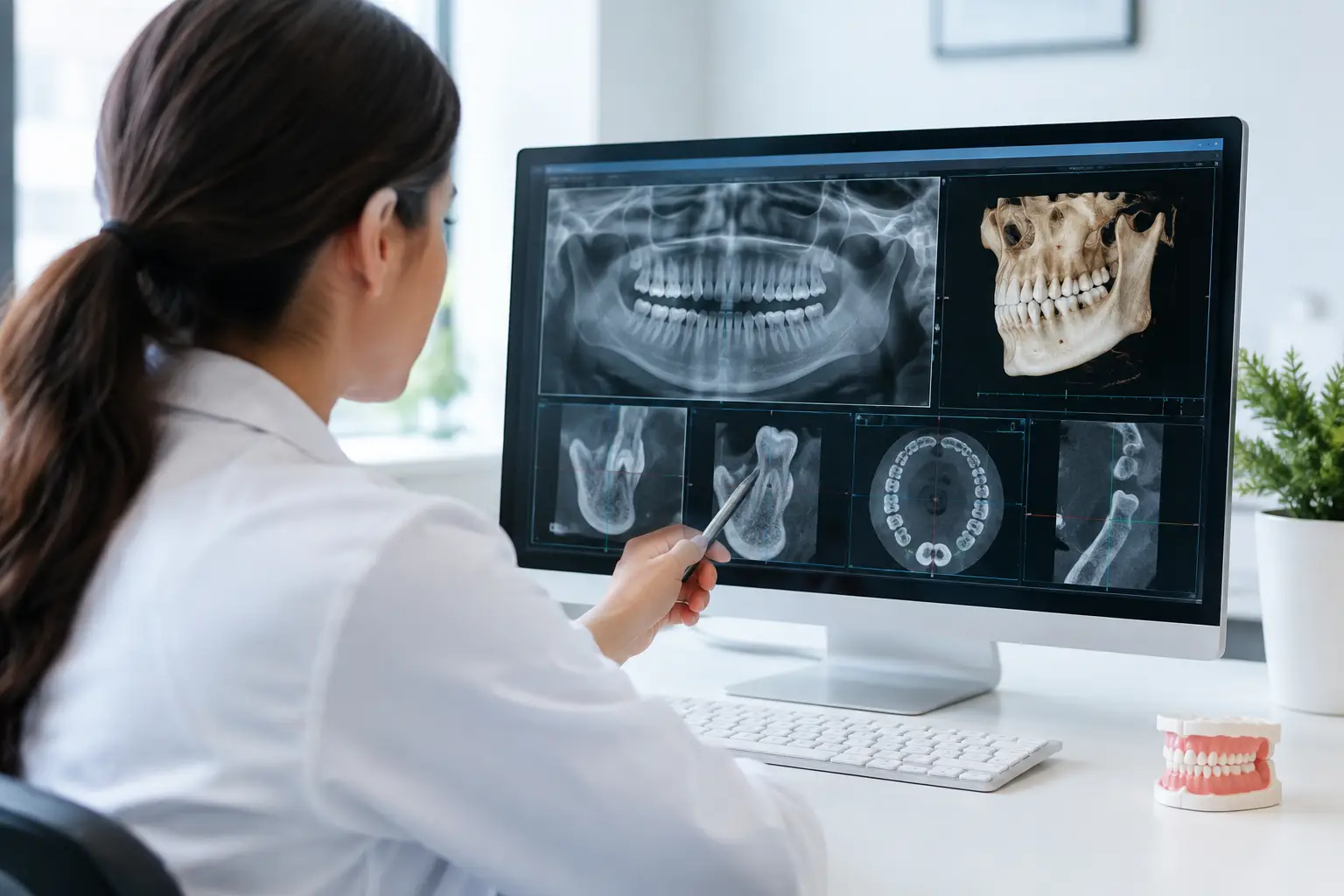
A dental scan interpretation service reviews the diagnostic records connected to your recommendation, usually dental X-rays and, when available, CBCT scans. A licensed dental professional examines the images alongside your treatment plan, written diagnosis, clinical notes, photographs, and cost estimate. The goal is to explain whether the records appear consistent with the proposed care and where further clarification may be needed.
Depending on the records, the review may address signs of decay, infection, bone loss, fractures, impacted teeth, existing restoration problems, or changes around roots and implants. It can also consider whether the images show enough information to support a recommendation. A panoramic X-ray, for example, offers a broad view of the jaws but may not answer every question about a single tooth. A CBCT scan can provide more detail in selected cases, but it is not automatically necessary for every patient.
The most useful output is not simply a yes or no answer. It is a plain-language explanation of what appears visible, what cannot be confirmed remotely, what alternatives may be reasonable to discuss, and which questions should be taken back to your treating dentist.
Why an independent review changes the conversation
Dental treatment is personal, and many clinicians make recommendations in good faith. Still, treatment plans can differ because providers have different clinical approaches, available technology, experience, or thresholds for monitoring versus intervening. When a plan involves thousands of dollars, those differences deserve a closer look.
An independent reviewer does not earn money if you choose a crown, implant, extraction, or any other procedure. That separation matters. It allows the review to focus on whether the documentation supports the recommendation, rather than on filling a treatment schedule.
This is particularly helpful when you have received conflicting opinions. One dentist may recommend replacing several older fillings while another suggests watching them. One may recommend an extraction and implant, while another believes a tooth may be restorable. Neither difference should be reduced to a simple verdict without reviewing the images, symptoms, tooth condition, and your long-term goals. But you should not have to make that decision based on sales pressure or vague explanations.
A written independent opinion gives you something concrete: questions to ask, records to compare, and a clearer understanding of the decision in front of you.
What to submit for a useful scan review
The quality of a review depends on the quality and completeness of the records. Your dental office should be able to provide copies of your X-rays, scan files or reports, treatment plan, and estimate. You are entitled to request your records, and it is reasonable to ask for them before committing to major treatment.
For the most informed review, submit as many relevant items as you have available:
- Recent X-rays, such as bitewings, periapical X-rays, panoramic images, or CBCT images and reports
- The written treatment plan, including tooth numbers and proposed procedures
- The itemized cost estimate and any insurance estimate
- Dental photographs, if available, plus notes about symptoms, past treatment, and your main concerns
Do not worry if you do not have every item. A focused question may still be reviewable with limited records. However, missing images or unclear files can limit what a reviewer can say. A scan that is too old may not reflect a new symptom, and a photograph cannot replace an X-ray when the question involves bone or roots.
Before uploading, make sure the files are readable and associated with the correct date. If you are taking pictures of paper documents, use good lighting and capture the full page. Secure upload systems are preferable to sending sensitive health information through ordinary email.
Questions an interpretation can help answer
Patients often arrive with a recommendation but no explanation they can use to make a decision. A good scan interpretation turns broad anxiety into specific questions.
For example, you may want to know whether the X-ray appears to show infection around a tooth, whether a root canal is the only path forward, or whether an implant recommendation is supported by the available images. You may be asking why treatment is urgent, whether it is safe to wait briefly, or why multiple crowns are being recommended at the same time.
The review can also help distinguish between a condition that may need attention and a treatment choice that has more than one reasonable option. A cracked tooth, recurrent decay, severe gum disease, and a failing restoration do not all carry the same urgency. Your symptoms, medical history, bite, oral examination, and the condition of the tooth all matter.
That is why responsible remote review avoids promises that a scan alone can settle every question. Images are powerful evidence, but they are one part of the clinical picture.
What a remote review cannot replace
A dental scan interpretation service is not an emergency service and does not replace an in-person exam. If you have facial swelling, fever, trouble breathing or swallowing, uncontrolled bleeding, severe trauma, or rapidly worsening pain, seek urgent in-person dental or medical care.
Remote reviewers cannot test a tooth’s nerve response, measure gum pockets, check mobility, evaluate your bite directly, or feel a fracture line that may not appear on imaging. Those limits do not make an independent review less valuable. They define its role: helping you evaluate the evidence and prepare for a better conversation with the provider who can examine you in person.
The right next step may be to proceed with treatment, seek a local specialist evaluation, request additional imaging, or monitor a finding with a clear follow-up plan. It depends on the records and the risk of waiting.
How the process should feel
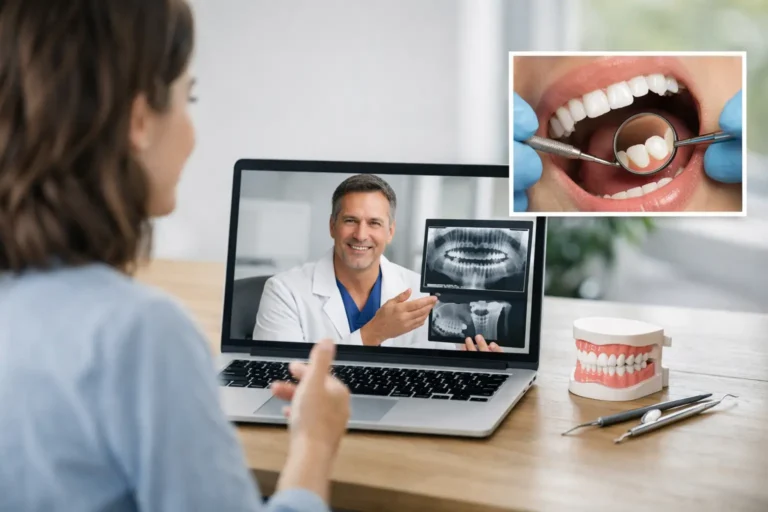
You should not need to book another local appointment, repeat your entire history in a waiting room, or commit to treatment just to receive an explanation. A digital second opinion should be organized around your question: What was recommended? What records support it? What are you concerned about most?
Second Opinion in Dentistry provides written opinions from licensed dental professionals, with secure record uploads and a defined turnaround of up to 48 business hours. Options can range from a focused review of a single recommendation to a more comprehensive analysis that includes additional records and a live specialist discussion. Fixed pricing starting at $49 makes it possible to seek clarity before a much larger financial commitment.
Look for a service that explains its scope plainly, protects your records, identifies who reviews the case, and does not profit from the treatment it evaluates. No upselling and no pressure are not just reassuring phrases. They are part of what makes an opinion independent.
Make your next dental decision with better questions
Before you accept a major treatment plan, ask for the images and documents behind it. Then ask whether the proposed care is necessary now, what alternatives exist, what happens if you wait, and what details remain uncertain. A careful interpretation cannot make the choice for you, but it can replace a rushed decision with a clear, honest one you can stand behind.