Veneers Versus Bonding: What Should You Choose?
Veneers versus bonding: compare cost, durability, tooth preparation, and repair options so you can ask clear questions before cosmetic dental treatment.
A small chip on a front tooth, a gap that shows in photos, or discoloration that will not respond to whitening can lead to the same recommendation: change the visible surface of the tooth. But veneers versus bonding is not a simple choice between a premium option and a budget option. The right answer depends on how much tooth structure is healthy, what result you want, how you bite, and whether the proposed treatment is as conservative as it should be.
Cosmetic dental work can feel urgent when it affects your smile. It rarely needs to be rushed. Before agreeing to treatment, ask for a clear explanation of what will be changed, what is permanent, what future maintenance may involve, and whether a less invasive option could achieve your goal.
Veneers Versus Bonding: The Core Difference
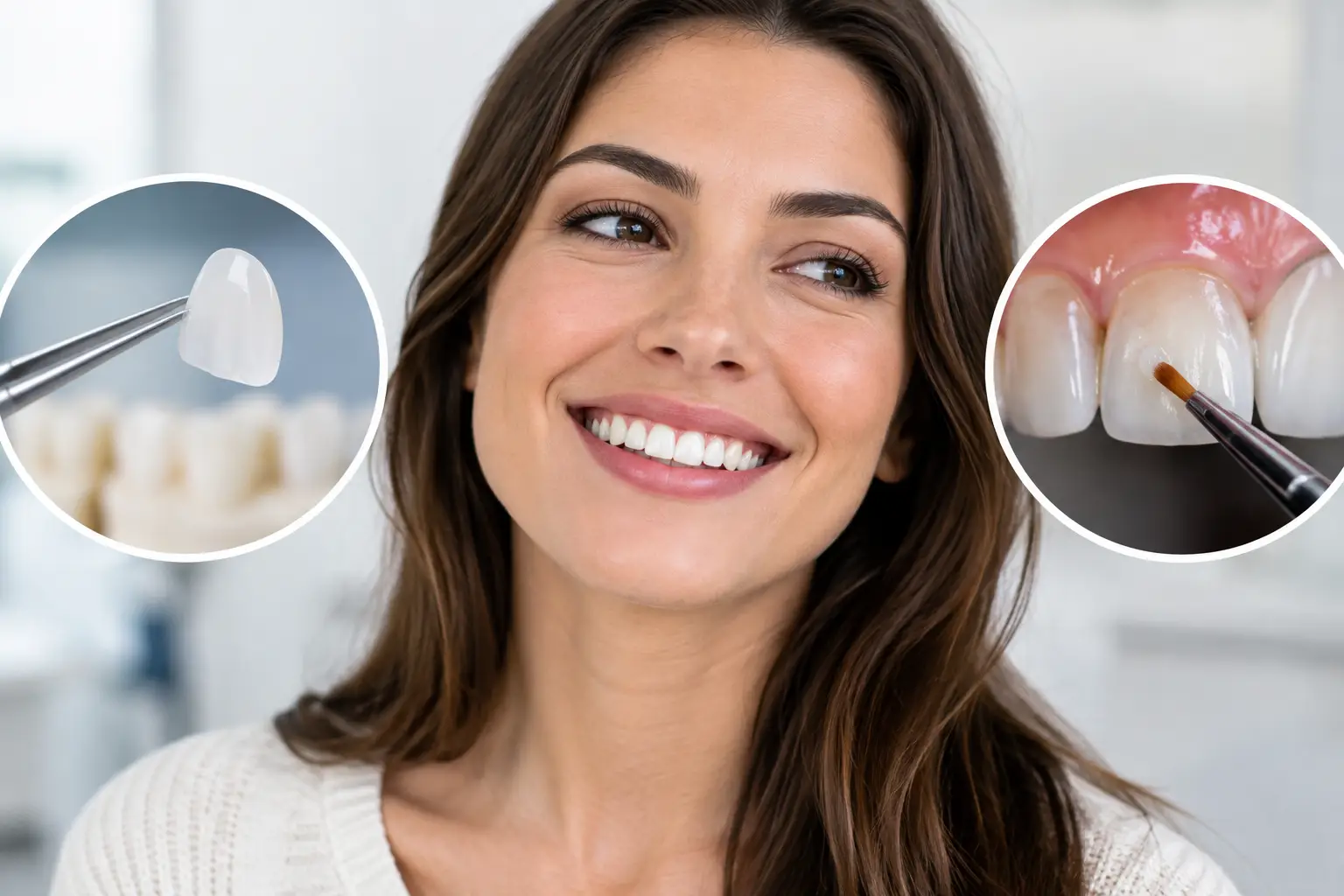
Dental bonding uses tooth-colored composite resin. A dentist applies the material directly to the tooth, shapes it by hand, and hardens it with a curing light. It can often be completed in one visit. Bonding is commonly used to repair minor chips, close small spaces, soften uneven edges, mask limited discoloration, or slightly change a tooth’s shape.
A veneer is a thin custom shell, usually made from porcelain, that covers the front surface of a tooth. It is fabricated in a dental laboratory or milling system and bonded in place at a later appointment. Traditional veneers commonly require removal of a small amount of enamel to create room for the material, although minimal-preparation options may be appropriate in select cases.
Both can improve appearance. The meaningful difference is not just the material. It is the degree of tooth alteration, expected lifespan, repair options, cost, and the level of planning required for a predictable result.
When Bonding May Make Sense
Bonding is often the more conservative choice when the concern is limited and the underlying tooth is healthy. For example, a small corner chip, slight asymmetry, or a narrow gap may not require a porcelain restoration. Because resin can usually be added with little or no enamel removal, bonding may preserve more of your natural tooth.
It is also useful as a trial approach. If you are considering making teeth longer, closing a space, or changing the contour of several front teeth, additive bonding can sometimes help you see whether the new proportions feel right before committing to more permanent treatment.
The trade-off is durability. Composite resin is more prone to staining, dulling, chipping, and wear than porcelain. Coffee, tea, red wine, tobacco, and highly pigmented foods can affect its color over time. Bonding can often be polished, repaired, or added to, but it may need periodic maintenance. This is not necessarily a drawback if you value a conservative approach. It is a cost and upkeep issue to understand before treatment.
Bonding also has limits. Large changes in color, major rotations, significant crowding, or extensive tooth damage may not be reliably solved by adding resin to the front of a tooth. Adding too much material can create bulky contours, affect the bite, or make cleaning more difficult.
When Veneers May Be Appropriate
Porcelain veneers may be appropriate when several front teeth need coordinated changes in color, shape, size, or surface texture. Porcelain generally holds its color better than composite and can reflect light in a way that looks very natural when designed well. It is also more resistant to everyday staining.
A carefully planned veneer case can create a consistent result across multiple teeth, particularly when there are deep stains, enamel defects, old restorations, worn edges, or long-standing shape concerns. For some patients, veneers can be a durable aesthetic solution.
However, veneers are not simply a stronger form of bonding. If enamel is removed, that change is irreversible. A tooth that has been prepared for a veneer will generally need a veneer or another restoration for the long term. Veneers can also chip, fracture, loosen, or develop visible margins as gums naturally change over time. Replacement is part of the lifetime cost discussion, not an unlikely footnote.
Not every patient is a good candidate. Heavy grinding or clenching, an edge-to-edge bite, untreated gum disease, active decay, unstable tooth movement, or poor oral hygiene can raise the risk of failure. A night guard may be recommended for people who grind their teeth, but it does not erase the need to assess whether veneers are appropriate in the first place.
Minimal-Prep Does Not Mean No-Decision
You may hear terms such as no-prep or minimal-prep veneers. These options can be conservative in the right situation, especially when teeth are small, worn, or positioned slightly inward. But adding porcelain without creating enough space can make teeth look thick or overcontoured. That can affect speech, lip position, gum health, and the ability to clean around the restorations.
The key question is not whether the label sounds conservative. Ask how much enamel, if any, will be removed, why that amount is needed, and what the final contours are expected to look like.
Cost Is More Than the Initial Quote
Bonding usually costs less per tooth than porcelain veneers. It also tends to have lower upfront laboratory and appointment costs. Yet a lower initial price does not automatically mean the lower long-term expense. If bonding needs frequent polishing, repair, or replacement, those visits add up.
Veneers usually require a larger initial investment and may involve planning records, temporary restorations, laboratory work, and multiple appointments. Their lifespan varies based on bite forces, hygiene, material, technique, and daily habits. When a veneer eventually needs replacement, the cost is not optional if the tooth was prepared.
Ask for a written estimate that identifies what is included. It should clarify the number of teeth, materials, temporary restorations if needed, follow-up visits, repairs, replacement policy, and any night guard. If a plan involves several teeth, ask whether treatment can be phased or whether addressing one or two teeth first would answer your concern.
What a Careful Cosmetic Evaluation Should Include
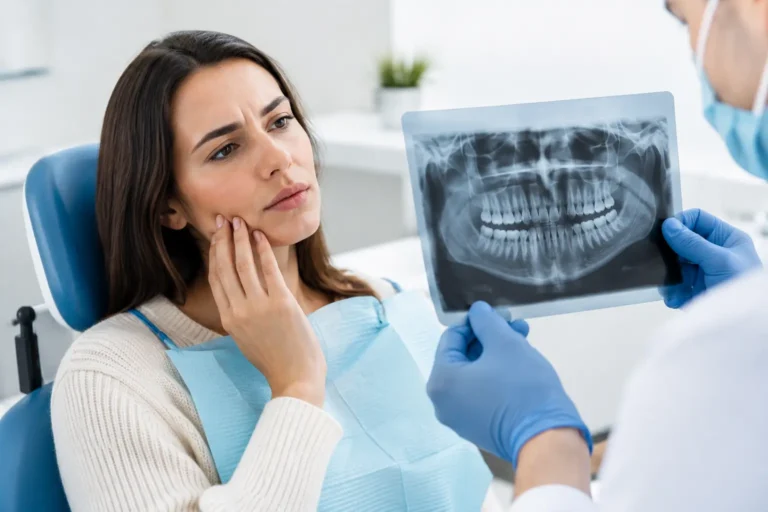
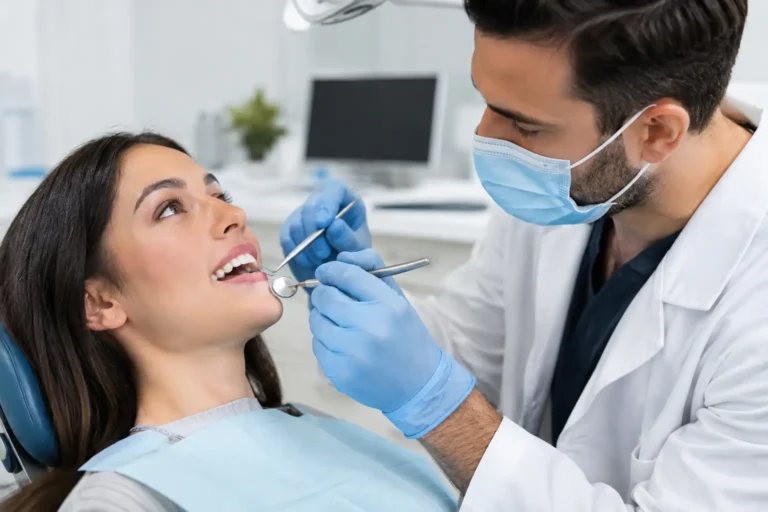
A recommendation for veneers or bonding should begin with more than a quick look at your smile. Your dentist should assess the health of the teeth and gums, existing fillings or crowns, tooth position, enamel thickness where relevant, bite relationship, and signs of grinding or wear. Photos, digital scans, X-rays when clinically indicated, and a discussion of your goals can all help determine whether cosmetic treatment is suitable.
For multi-tooth veneer cases, preview planning matters. This may include a diagnostic wax-up, digital design, or a temporary mock-up that lets you see proposed length and shape before teeth are altered. A preview is not a guarantee of a final result, but it gives you a concrete opportunity to ask questions before treatment becomes irreversible.
Be cautious if you are told that healthy teeth must be heavily reduced without a clear explanation, or if a provider recommends the same number of veneers regardless of your goals. A recommendation to place veneers on many teeth is not automatically wrong. It should be supported by your clinical condition, cosmetic objective, bite, and a transparent explanation of alternatives.
Questions to Ask Before You Decide
Ask your dentist whether bonding could achieve an acceptable result, even if it may need maintenance. Ask how much natural enamel would be removed for veneers, whether you have signs of clenching or grinding, and how the plan changes your bite. You can also ask to see examples of similar cases and to understand what happens if a veneer chips, debonds, or needs replacement.
If the recommendation involves several veneers, substantial tooth reduction, or a cost that feels difficult to evaluate, get the records and estimate in writing. An independent review can help you understand whether the scope appears reasonable, what alternatives may exist, and which questions deserve a clearer answer. Second Opinion in Dentistry provides written reviews from licensed dental professionals without selling the treatment being evaluated.
Choosing the Option You Can Live With
There is no universal winner in veneers versus bonding. Bonding can be a thoughtful, tooth-preserving solution for smaller corrections and patients comfortable with maintenance. Veneers can be appropriate for broader, more durable aesthetic changes, but they require a higher level of commitment when tooth preparation is involved.
The most useful decision is not the one that promises the whitest or fastest transformation. It is the one made with clear records, realistic expectations, and enough information to protect both your smile and your budget.