

Dental Second Opinion Versus Consultation
Dental second opinion versus consultation: learn what each visit can reveal, when independence matters, and how to choose confidently before costly care.
A $6,000 treatment plan can make a routine dental visit feel anything but routine. If you have been told you need implants, root canals, crowns, extractions, braces, or full-mouth treatment, you may be weighing a dental second opinion versus consultation and wondering whether they are really different. They can be. The difference often comes down to the purpose of the review, the records examined, and whether the clinician has a financial stake in performing the work.
A consultation can be useful for planning care. A second opinion can be useful for deciding whether that care is needed, whether the proposed scope makes sense, and whether there are reasonable alternatives. Knowing which one you need can help you ask better questions before you commit.
Dental Second Opinion Versus Consultation: The Core Difference
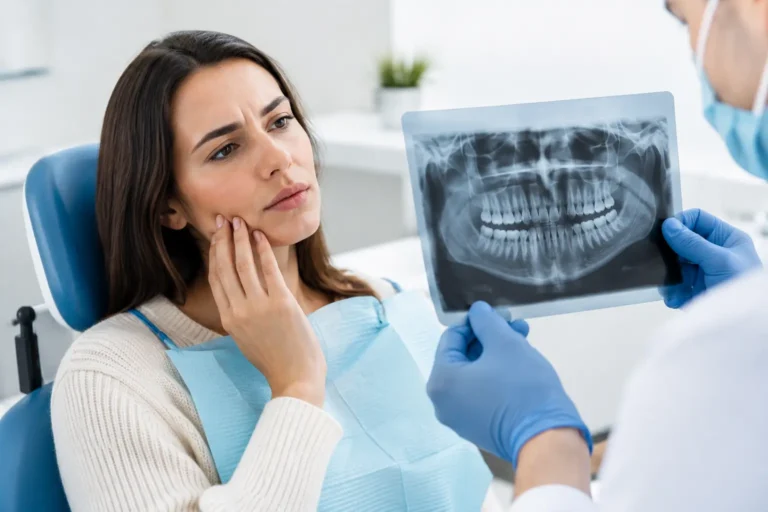
A dental consultation is usually an appointment with a dentist, specialist, or clinic that may provide treatment. The clinician examines you, reviews available X-rays, discusses your concerns, and recommends next steps. Consultations are often essential when you need an in-person exam, a procedure, or a provider to take responsibility for treatment.
A dental second opinion is a separate professional review of an existing diagnosis or treatment recommendation. The reviewing dentist looks at materials such as X-rays, photographs, clinical notes, treatment plans, and estimates to assess whether the proposed care appears appropriate. The goal is not to sell treatment. It is to give you a clear, independent perspective before you decide.
The terms can overlap. A specialist might call an appointment a “second-opinion consultation,” even if that office also offers the treatment in question. That does not automatically make the opinion unreliable. It does mean the provider may have a business relationship with the procedure being discussed. For patients facing costly or irreversible care, it is reasonable to ask how independent the review truly is.
What a Dental Consultation Can Do Well
A consultation is the right starting point when you need a hands-on evaluation. Dentists can inspect your mouth directly, check your bite, test a tooth, evaluate gum tissue, and assess symptoms that cannot be fully captured in a record upload. If you have swelling, severe pain, trauma, fever, uncontrolled bleeding, or a possible infection, prompt in-person care matters more than seeking a remote review.
It is also practical when you have already decided to move forward and need to choose a treating provider. A consultation lets you understand the office’s approach, timeline, materials, anesthesia options, payment arrangements, and follow-up care. You can compare how different providers communicate and whether their plan addresses your priorities.
Still, a consultation can come with a built-in limitation: the office may earn revenue if you accept the recommended treatment. Most dental professionals work hard to recommend appropriate care, but a patient should understand the structure. A treatment provider is offering both an opinion and a service for sale. That is different from a reviewer whose role ends with the evaluation.
What an Independent Second Opinion Adds
An independent second opinion is particularly valuable when the recommendation is expensive, extensive, irreversible, or unexpected. It gives another licensed dental professional an opportunity to assess the evidence without needing to fill a schedule, sell a procedure, or convert you into a patient.
A strong written review should address the questions that matter most: Does the available imaging support the diagnosis? Does the recommended treatment appear necessary now? Is the scope proportionate to the findings? Are there less invasive, staged, or monitoring-based alternatives? Are there details in the estimate that deserve clarification?
This does not mean a second opinion will always disagree with your dentist. Confirmation can be just as valuable. If two qualified clinicians reach the same conclusion after reviewing the records, you can proceed with more confidence. If they see the situation differently, you gain specific questions to take back to your treating dentist or discuss with another in-person provider.
At Second Opinion in Dentistry, licensed professionals review submitted records and provide a written, independent assessment within 48 business hours. The service does not perform procedures or profit from the treatment it evaluates. That separation is designed for patients who want clear, honest answers with no upselling and no pressure.
When to Choose a Consultation, a Second Opinion, or Both
The best choice depends on where you are in the decision. If you have never been examined for a problem, start with a consultation or dental exam. A clinician needs to see you in person to diagnose many conditions safely and completely.
If you already have a diagnosis, treatment plan, and estimate, but you are unsure whether to proceed, a second opinion is often the more focused next step. This is especially true for plans involving multiple crowns, implants, extractions, root canal treatment, periodontal surgery, cosmetic reconstruction, or a large financial commitment.
Many patients benefit from both. They first obtain an independent review of the records, then schedule a consultation with a provider they may choose for treatment. This sequence can make the consultation more productive because you arrive with informed questions rather than relying only on the first recommendation you heard.
For example, if one office recommends removing several teeth and placing implants, an independent reviewer may identify whether the X-rays support that level of treatment, whether some teeth might be restorable, or whether more information is needed. You would still need an in-person clinician to examine you and perform any care. But you would be better prepared to evaluate the choices.
The Records That Make a Review More Useful
A second opinion is only as strong as the information available. Before requesting one, ask the original office for copies of your records. In the United States, patients generally have the right to access their health information, including dental images and treatment documentation.
Useful materials commonly include recent X-rays, such as bitewings, periapical images, or a panoramic image; intraoral photographs; the written treatment plan; the cost estimate; periodontal charting when gum disease is involved; and clinical notes or test results when available. If a cone beam CT scan was taken, ask whether the image files or report can be shared.
Include a short description of your symptoms and goals. Let the reviewer know whether you have pain, sensitivity, a loose tooth, difficulty chewing, past dental trauma, medical conditions that affect care, or concerns about cost and timing. Clear context helps the reviewer distinguish between a recommendation aimed at preventing future problems and one intended to address an active issue.
A remote review cannot replace every part of a clinical examination. It cannot palpate tissue, test tooth vitality, check jaw movement, or treat an urgent infection. A credible service should say so plainly. The purpose is not to replace your dentist. It is to help you understand the evidence and make a more informed choice about the next step.
Questions to Ask Before You Accept Any Plan
Whether you choose a consultation or a second opinion, do not feel rushed into an irreversible decision. Ask your dentist to explain the diagnosis in plain language and show you the relevant areas on your X-rays or photos. Ask what could happen if you wait, what alternatives exist, and why one option is being recommended over another.
You should also ask whether treatment can be phased, which parts are urgent, what the long-term maintenance will involve, and what is included in the estimate. Implant and restorative plans, for instance, may involve separate costs for imaging, extractions, bone grafting, temporary restorations, final restorations, sedation, or follow-up visits. A lower initial quote is not always the lower total cost.
If a provider recommends extensive work quickly, that does not prove the plan is wrong. Some conditions do require timely treatment. But urgency should be explained with clinical reasons you can understand, not pressure. You deserve time to review the information unless delaying care could create a genuine health risk.
Choose Clarity Before Commitment
A consultation helps you establish care and plan treatment. An independent second opinion helps you test a recommendation before your money, time, and teeth are committed. For high-cost or life-changing dental decisions, those are not competing choices. They are different tools for protecting your health and your ability to decide with confidence.
Before you sign a treatment plan, gather your records, ask for explanations you can understand, and give yourself permission to seek a financially neutral perspective. Clear answers now can make every next step feel more manageable.