
Can Old Fillings Cause Pain? What It May Mean
Can old fillings cause pain years later? Learn the likely reasons, warning signs, and how an independent dental review can clearly clarify your options.
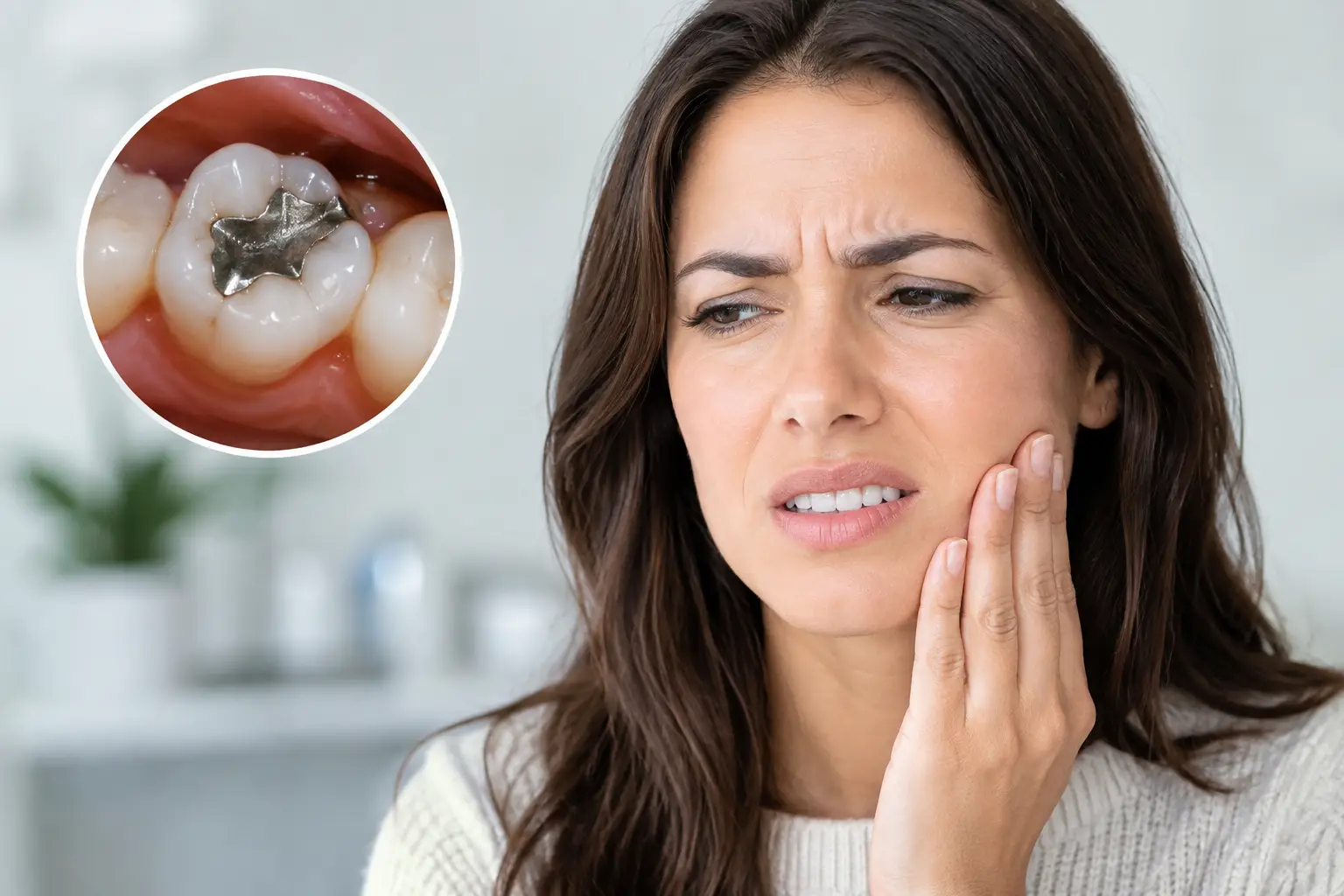
A filling can look fine in the mirror and still become the source of a sharp bite, lingering sensitivity, or a dull ache that seems to come and go. So, can old fillings cause pain? Yes. But the filling itself is not always the whole story. Pain can come from a broken seal around the restoration, a crack in the tooth, new decay underneath it, changes in the tooth nerve, or even a bite that has shifted over time.
That distinction matters when you are told you need a replacement filling, a crown, or root canal treatment. The right next step depends on what your X-rays, symptoms, and clinical findings actually show – not simply how old the filling is.
Can Old Fillings Cause Pain Years Later?
Dental fillings are durable, but they are not permanent. Composite resin fillings often last several years, while amalgam fillings may last longer. Actual lifespan varies with the filling’s size and location, your bite forces, grinding or clenching habits, oral hygiene, diet, and the condition of the tooth around it.
Over time, the margins where the filling meets the tooth can wear down or develop tiny gaps. Bacteria may enter these areas and cause recurrent decay. A filling can also chip, fracture, loosen, or leave a thin remaining tooth wall vulnerable to cracking. Any of these changes can allow cold, heat, pressure, or bacteria to reach the sensitive inner layers of the tooth.
Still, age alone does not prove a filling needs treatment. Replacing a stable filling simply because it is old can remove additional healthy tooth structure. A careful recommendation should identify the specific problem: visible fracture, decay on an X-ray, leakage at the margin, a crack, or symptoms consistent with nerve inflammation.
What Different Types of Pain Can Suggest
The pattern of pain gives useful clues, although it cannot confirm a diagnosis on its own.
A quick twinge with cold drinks or sweets may occur when a filling edge is worn, dentin is exposed, or decay has started near the restoration. It can also be caused by gum recession or sensitivity in a different tooth, which is why assuming the old filling is the cause can be misleading.
Pain when chewing, especially if it happens when you release your bite, may suggest a cracked tooth, a fractured filling, or a high spot that is placing too much force on one area. Large older fillings can leave the remaining tooth structure less able to handle repeated pressure.
Lingering pain after hot or cold, spontaneous throbbing, or pain that wakes you at night can point to a more irritated or damaged pulp, commonly called the tooth nerve. In that situation, replacing the filling alone may not solve the problem. Depending on the findings, treatment might involve a protective restoration, root canal treatment, or, in some cases, extraction.
A swollen gum, pimple-like bump near the tooth, facial swelling, fever, or trouble swallowing is more urgent. These signs can be associated with infection and should be evaluated promptly. Seek emergency care immediately for difficulty breathing or swallowing, rapidly spreading swelling, or severe illness.
Why an Old Filling Can Become a Bigger Treatment Recommendation
It is reasonable to ask why a dentist recommends more than a new filling. A small, accessible defect may be appropriately repaired with a filling. But when decay extends deeply, a filling is very large, the tooth is cracked, or the remaining walls are thin, a crown or another cuspal-coverage restoration may offer better protection against fracture.
There are trade-offs. A crown generally requires more tooth preparation and costs more than a filling, but it may be the more conservative long-term option for a structurally weakened tooth. On the other hand, not every large filling automatically requires a crown. The choice should reflect the tooth’s remaining structure, crack risk, decay extent, bite, and symptoms.
Root canal treatment is another recommendation that deserves a clear explanation. It is usually considered when the pulp is irreversibly inflamed or infected, not merely because a filling is old. Ask what findings support that conclusion: Does the tooth have lingering thermal pain? Is there decay close to the nerve? Is there evidence of infection around the root on the X-ray? Were pulp vitality tests performed?
What a Proper Assessment Should Include
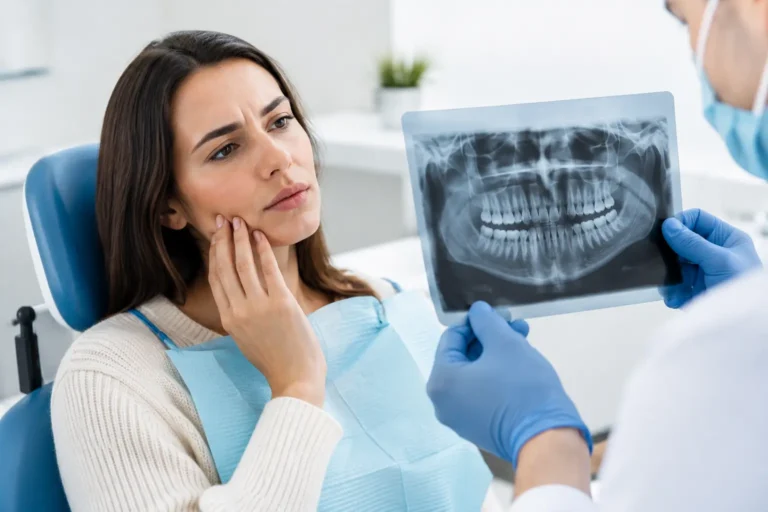
A reliable assessment is more than a glance at the filling. Your dentist may examine the margins, test your bite, check for cracks, take X-rays, evaluate the gums, and compare how the tooth responds to cold or other vitality testing. A photograph can show visible wear or fracture, while X-rays can reveal decay between teeth, under certain filling edges, or near the root.
No single test tells the entire story. X-rays do not always show cracks, and early leakage around a filling may not be visible radiographically. Symptoms also matter. A clinician should connect the evidence to the proposed treatment rather than relying on a broad statement such as “the filling is old.”
If you have pain but the source remains uncertain, it may be appropriate to monitor a stable tooth, adjust a bite issue, treat sensitivity, or obtain further testing. If a cracked tooth or deep decay is strongly suspected, delaying can carry a real risk of more extensive damage. The goal is not to avoid treatment at all costs. It is to understand whether the recommended scope is necessary now.
Questions to Ask Before Replacing an Old Filling
Before agreeing to treatment, ask your dentist to show you the evidence and explain the alternatives in plain language. Useful questions include:
- What specifically is wrong with this filling or tooth?
- Is there visible decay, a fracture, an open margin, or a crack?
- Which X-ray or photograph supports the recommendation?
- Is a new filling reasonable, or why is a crown or root canal being recommended?
- What could happen if we monitor it for a defined period instead?
- Is this pain definitely coming from this tooth?
These are not confrontational questions. They are normal questions for any treatment that affects your health, time, and budget. A clear provider should be able to explain the findings, the uncertainty if any exists, and the consequences of each option.
When an Independent Review Can Help
A second opinion can be especially useful when an old filling is tied to a larger plan, such as multiple crowns, root canal treatment, or a recommendation to replace several restorations at once. Different clinicians can reasonably take different approaches, particularly when early changes are present but symptoms are mild or unclear.
An independent review of your treatment plan, X-rays, photographs, and estimate can help you understand whether the stated diagnosis is supported by the available records. It can also clarify questions to bring back to your treating dentist, including whether a less invasive option appears reasonable or whether the proposed treatment is appropriately urgent.
Second Opinion in Dentistry provides written reviews from licensed dental professionals without performing or selling the treatment being evaluated. That separation matters when you want a clear, financially neutral perspective before committing to significant work.
Do Not Ignore Persistent Symptoms
Pain around an old filling is not something to self-diagnose, but it is also not a reason to panic or accept a recommendation without understanding it. Keep track of what triggers the discomfort, how long it lasts, whether it is getting worse, and whether chewing is involved. Share that detail with the dentist evaluating you.
A stable old filling may need nothing more than monitoring. A damaged restoration may need a straightforward replacement. And if the tooth underneath has become compromised, timely treatment may protect it from a more complicated problem. The helpful next move is getting a diagnosis that is specific, evidence-based, and clear enough for you to make the decision with confidence.