What Determines Remote Diagnosis Accuracy?
Remote diagnosis accuracy depends on the records, reviewer, and limits of virtual care. Learn what makes an independent dental second opinion reliable.
A treatment plan can arrive with unfamiliar terms, a large estimate, and pressure to schedule before you have had time to think. In that moment, remote diagnosis accuracy is not about getting a quick yes or no from a stranger online. It is about whether a licensed dental professional has enough clear clinical evidence to assess the recommendation fairly, explain the reasoning, and identify questions that deserve a closer look.
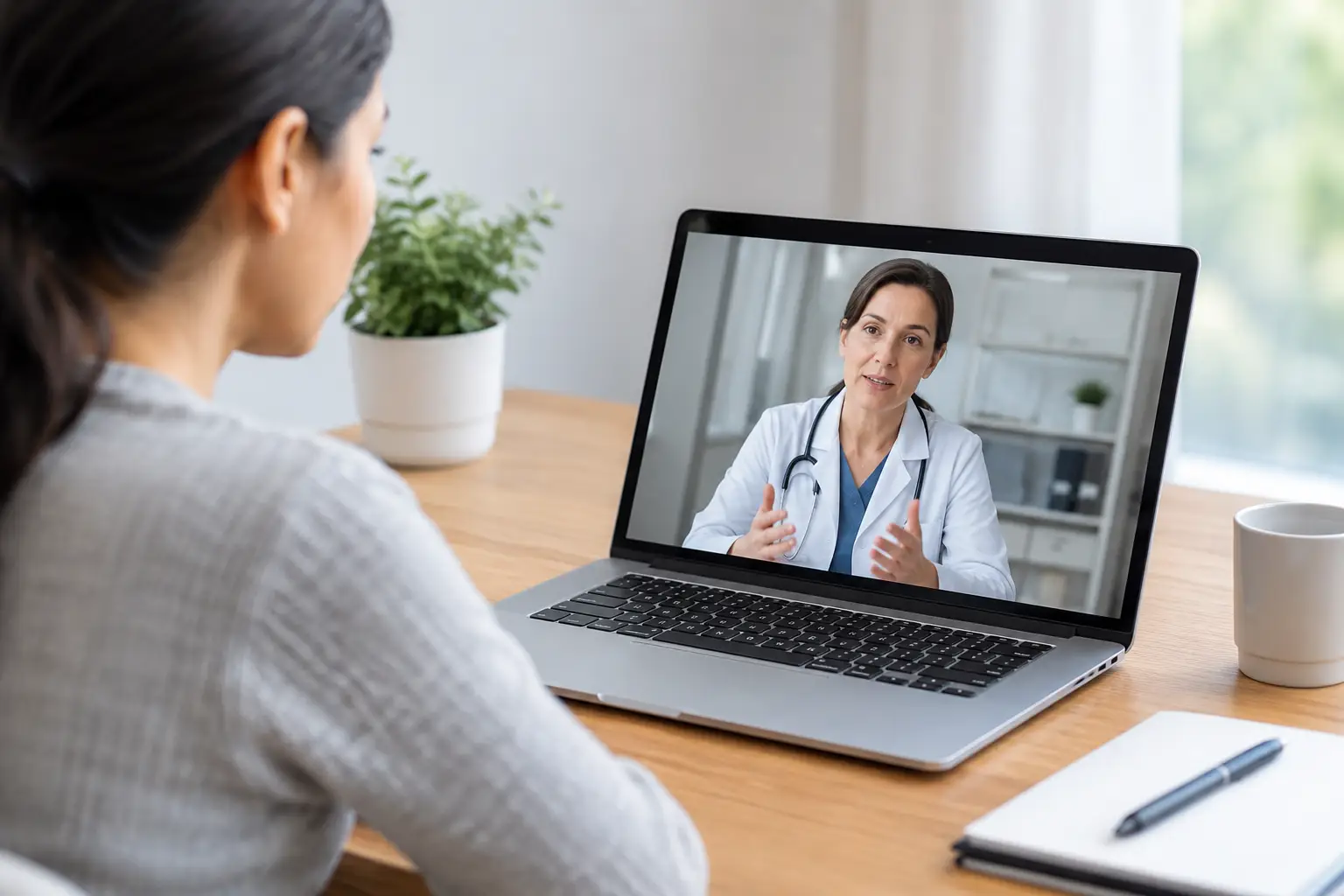
For many dental decisions, a remote second opinion can provide meaningful clarity. It can help you understand whether the proposed treatment appears necessary, whether the scope seems reasonable, and whether alternatives may be worth discussing. But an honest review also recognizes its limits. Some findings require an in-person examination, new imaging, or urgent care from a local dentist.
What Remote Diagnosis Accuracy Actually Means
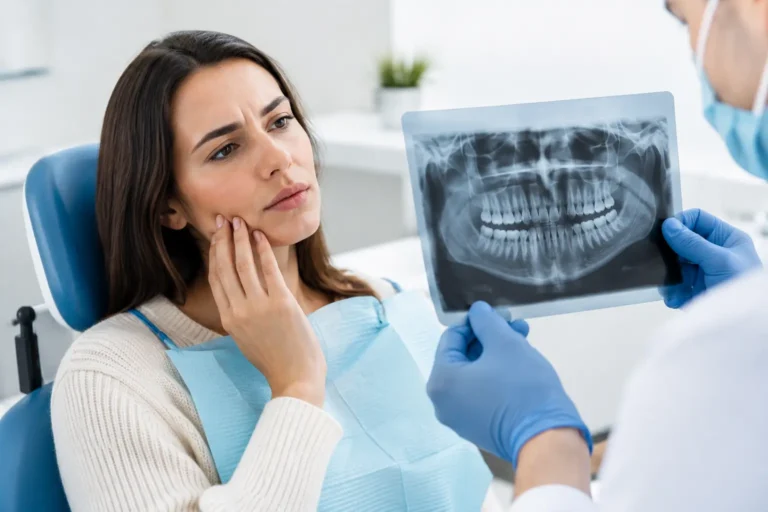
In dentistry, a diagnosis is rarely based on one piece of information. A dentist may consider X-rays, photographs, symptoms, gum measurements, existing restorations, medical history, and an examination of how your teeth function together. The more relevant information a reviewer can see, the more confidently they can assess a recommendation.
That does not mean every remote review needs every record ever created. The right materials depend on the question. If you are deciding whether a proposed root canal is supported, the relevant X-ray, symptoms, clinical notes, and treatment estimate may be central. If you are reviewing a full-mouth reconstruction plan, the reviewer may need a broader set of X-rays, intraoral photos, periodontal records, and a clear explanation of the proposed sequence of care.
Accuracy also means being precise about uncertainty. A trustworthy reviewer should distinguish between what the records clearly show, what is probable, and what cannot be confirmed without examining you in person. Clear limits are not a weakness. They are part of a responsible dental opinion.
The Evidence That Makes a Dental Review More Reliable
The quality of the submission matters as much as the qualifications of the person reviewing it. Blurry images, partial records, and missing treatment details can lead to an incomplete assessment. A strong remote review begins with the same question a careful clinician would ask in an office: what does the available evidence support?
For most treatment-plan reviews, these materials give a reviewer the clearest starting point:
- Recent dental X-rays, ideally the original files or clear copies that show the full image
- The written diagnosis, treatment plan, and itemized cost estimate from the treating office
- Clear photos of the teeth or area of concern, when photos are relevant to the issue
- A brief description of symptoms, including pain, sensitivity, swelling, timing, and prior treatment
Dental X-rays are particularly valuable because they may show decay between teeth, bone levels, infections around roots, impacted teeth, and the condition of existing fillings, crowns, or implants. Still, an X-ray does not tell the whole story. A tooth can look questionable on an image but be symptom-free and stable. Conversely, a painful tooth may need testing that cannot be performed remotely.
High-quality photos can add important context, especially for visible cracks, worn teeth, gum changes, broken restorations, or cosmetic concerns. Good lighting and close, focused images help. If you cannot provide useful photos, that does not automatically make a review impossible. It simply changes what can be evaluated with confidence.
The Reviewer Matters as Much as the Records
Remote care is only as credible as the professional interpreting the information. A dental second opinion should come from a licensed dentist with the experience appropriate to the issue being reviewed. Complex implant, surgical, orthodontic, periodontal, or endodontic questions may require specialist-level insight rather than a general overview.
Just as important, the reviewer should not benefit financially from the treatment they are evaluating. A treating practice may provide excellent care and still have a built-in commercial interest in performing the procedure it recommends. That does not make the recommendation wrong. It does mean patients have a reasonable basis for wanting an independent perspective before agreeing to extensive or expensive work.
An independent reviewer can focus on the records and the clinical rationale rather than chair time, production goals, or selling a particular procedure. The goal is not to undermine your dentist. It is to help you understand whether the recommendation is supported, whether the proposed plan is proportionate, and what questions you should bring back to the treating office.
Second Opinion in Dentistry provides written reviews from licensed dental professionals without performing or selling the treatment under review. That separation is designed to keep the conversation centered on your records, your options, and your ability to make an informed choice without upselling or pressure.
When Remote Diagnosis Accuracy Is Strongest
A remote dental review is often most useful when there is a well-defined question and enough documentation to answer it. For example, patients commonly seek a second opinion before accepting a recommendation for multiple crowns, root canals, implants, extractions, gum treatment, or a large restorative plan. In these situations, the reviewer can compare the diagnosis, imaging, and proposed treatment against accepted clinical reasoning.
It can also be valuable when two offices have offered different recommendations. Different plans do not always mean one dentist is careless or wrong. Dentistry often involves judgment about timing, materials, long-term risk, and conservative versus more extensive treatment. A neutral review can explain why reasonable clinicians may disagree and help you see which approach best fits your circumstances.
Remote review is particularly practical when travel, scheduling, cost, or privacy makes another in-person appointment difficult. You can upload records securely, receive a written perspective, and take time to read it before making a decision. For patients facing a multi-thousand-dollar estimate, that pause can be financially meaningful.
When an In-Person Exam Is Still Necessary
Remote evaluation has real limits, and a responsible service should state them plainly. A reviewer cannot tap on a tooth, test pulp vitality, probe gum pockets, check your bite, feel swelling, or examine soft tissue directly through uploaded records. Those details may change a diagnosis or the urgency of treatment.
You should seek prompt in-person dental care for facial swelling, fever, difficulty swallowing or breathing, uncontrolled bleeding, trauma, severe pain, or a suspected spreading infection. These situations are not appropriate for waiting on a remote opinion.
An in-person visit may also be needed when the records are old, the images are unclear, symptoms have changed, or the question depends on physical testing. A remote reviewer may recommend additional X-rays, a specific clinical exam, or consultation with a local specialist. That recommendation is useful guidance, not a failure of the process.
How to Improve the Accuracy of Your Own Review
Start by requesting copies of your records before you commit to treatment. In the United States, patients generally have the right to access their dental records, though practices may have reasonable processes for releasing them. Ask for the treatment plan, itemized estimate, relevant X-rays, and any notes that explain the diagnosis.
When you submit materials, describe your concern in ordinary language. Mention whether you have pain, how long it has been happening, what makes it better or worse, and whether the tooth has had prior work. If your main concern is cost, say so. If you are worried about losing a tooth or receiving treatment you may not need, say that too. The reviewer can then address the decision that matters most to you.
Avoid assuming that a second opinion must either approve or reject the entire plan. The most useful outcome may be more nuanced. Perhaps one part of the plan appears time-sensitive, while another could be monitored. Perhaps the diagnosis is supported but there are less invasive options to discuss. Perhaps the records do not justify a conclusion and an in-person specialist exam is the next sensible step.
Questions a Clear Remote Opinion Should Answer
A helpful written review should leave you with more than dental terminology. It should explain what the records appear to show, how that relates to the recommended treatment, and where uncertainty remains. It should also identify reasonable alternatives or questions for your treating dentist when they exist.
Look for direct answers to practical questions: Does the evidence support treatment now? Is the recommended scope consistent with the findings? Are there conservative options? What could happen if treatment is delayed? Which parts of the plan need an in-person examination before a final decision? These answers give you a better basis for discussing care with your local provider.
Privacy also matters. Dental images and health records are personal. Choose a service that uses secure, encrypted uploads and handles your materials confidentially. Convenience should never require giving up control of sensitive records.
A careful remote opinion will not make every dental choice effortless, but it can replace uncertainty with specific, usable information. Before you approve costly treatment, give yourself room to ask for the evidence, understand the trade-offs, and choose the next step with confidence.